
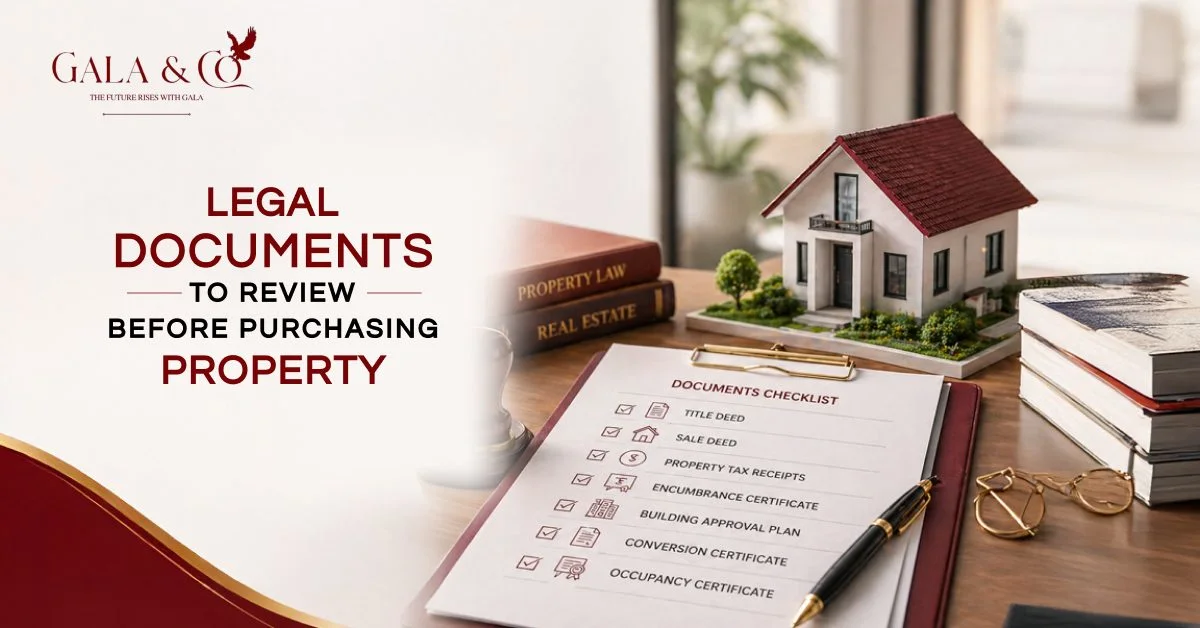
A property legal documents checklist can make property purchasing seamless. Buying a property is exciting because people imagine their new home, their investment and the beginning of a new life.
But the excitement people experience about their home purchase fades away when buyers get some of the fundamental elements of home buying wrong such as property verification. The historical background of every property becomes known through the associated documents which complete the verification.
The documents establish all ownership rights and concealed financial obligations which determine the risk level of your property acquisition. The absence of this essential procedure results in multiple problems which include disputes, financial losses and enduring pressure.
The documents required for property purchase India function as a necessary procedure that enables people to make property decisions based on complete knowledge and confidence about future outcomes.
Why Legal Verification Property India Is Required
Legal verification property India is important because:
There exist unclear or multiple claims on the property.
Pending financial obligations of the property, which include outstanding loans and legal dues.
The property contains unapproved construction work which requires proper permits to be valid.
The issues that exist between parties could create financial losses and result in legal disputes which might lead to property ownership loss. This is why having a property legal documents checklist helps.
A Property Legal Documents Checklist – Important Documents for Property Verification
Property purchasing is hard. Here’s a property legal documents checklist for you to make things easier!
1. Title Deed – The Foundation of Ownership
The Title Deed protects you from situations where you purchase a home but discover the seller does not have rightful ownership. This document confirms:
The seller holds legal ownership of the property
The seller possesses the authority to transfer the property rights
The document establishes whether the title remains intact and suitable for sale
The following items require verification:
The seller’s name matches all previous ownership records
No disputes or claims exist
Ownership history is traceable (ideally 20–30 years)
The party must possess an unambiguous title to complete the transaction. The procedure requires a halt when any aspect remains uncertain.
2. Sale Deed – The Final Agreement
The Title Deed establishes ownership rights while the Sale Deed confirms the complete transfer of property ownership rights.
The most important legal document requires certain conditions for validation which include:
Proper drafting
Signing by both parties
Registration with the local sub-registrar
The document contains three types of information which include:
The final sale price
The property details
The buyer and seller information
The transfer of ownership clause
The transaction remains incomplete until the Sale Deed gets registered.
3. Encumbrance Certificate (EC) – Checking for Hidden Liabilities
The property appears debt-free but its actual financial status requires assessment. The Encumbrance Certificate EC shows the current status of the property because it provides information about existing loans, mortgages, and Legal dues or claims.
The key tip requires you to request an EC that covers a time period of 10 to 15 years. The EC shows financial liability which needs to be resolved before we can continue our work.
4. Approved Building Plan – Ensuring Legal Construction
Not all buildings are legally constructed, even if they look complete.
The Approved Building Plan confirms that:
The structure follows municipal rules
Construction complies with zoning laws
No unauthorized extensions exist
Illegal constructions create three consequences for the building:
Penalties
Demolition notices
Difficulty in resale or loans
The actual structure must be matched with the approved plan at all times.
5. Completion Certificate (CC) & Occupancy Certificate (OC)
The two documents serve exceptional value for newly built properties.
Completion Certificate (CC)
The document certifies construction completion according to the approved building plan.
Occupancy Certificate (OC)
The certificate verifies that the building meets safety standards for people to enter the premises.
The absence of an occupancy certificate leads to problems for property owners, such as:
Issues with utility services like water and electricity.
When banks refuse to issue loans for the property.
The property is treated as unfinished according to legal standards.
6. Property Tax Receipts – Proof of No Dues
The new owner must assume responsibility for outstanding property taxes because these taxes do not vanish from their obligations.
Always verify:
Latest tax receipts
No pending dues
Correct property details
The small check will protect you from discovering hidden financial obligations that you did not expect.
7. Khata Certificate (or Equivalent)
The Khata Certificate serves as official proof that the property belongs to local municipal records in multiple Indian states.
The document confirms that:
Property details are registered
Taxes are being paid
Ownership is recognized locally
The document exists in different states under various names which differ from state to state.
8. Sale Agreement – The Precursor to the Deal
The Sale Agreement requires your signature before you complete the final Sale Deed.
The document contains three elements which include:
Terms and conditions
Payment schedule
Possession timeline
Penalties for delays
The transaction process follows this document as its main guiding path.
9. RERA Registration (For Under-Construction Projects)
You must confirm registration for all under-construction properties with the Real Estate Regulatory Authority.
The system provides two benefits to users because it enables project transparency and ensures that delivery commitments and legal protections will protect buyers.
The RERA portal of your state allows you to access project information through online methods.
10. No Objection Certificates (NOCs)
According to the property type, multiple NOCs become necessary:
The builder or housing society
The banks (if a loan was obtained)
The environmental and fire departments
The process guarantees that all necessary authorities will not raise any objections.
Conclusion
A property legal documents checklist is going to be most helpful for buyers like you. When it comes to real estate, legal documents serve as your most dependable protection. The documents establish ownership while they reveal concealed dangers and confirm your actual ownership of the property.
The documents required for property purchase India create additional security and peace of mind. The cost of problems that arise from this stage becomes much higher when people fail to finish their work properly and they work too quickly.
People should take their time to ask questions while they consult experts when necessary. A good real estate and construction company like Gala & Co can help you with your current decision-making process and protect your investment while establishing a strong foundation for your future in that property.
FAQs
Q1. What are the documents required for property purchase India?
Your property legal documents checklist in India should include Title Deed, Sale Deed, Encumbrance Certificate (EC), Approved Building Plan, Completion Certificate (CC) & Occupancy Certificate (OC), Property Tax Receipts, Khata Certificate, Sale Agreement, RERA Registration, and No Objection Certificates (NOCs).
Q2. Why are legal documents important before buying property?
The documents verify ownership rights, disclose existing financial obligations, and confirm that the property meets legal requirements for sale.
Q3. What is the most important document to check?
The Sale Deed and Title Deed are the most critical, as they establish ownership and transfer rights.
Q4. How can I verify if a property has any loans or dues?
The Encumbrance Certificate EC shows all current financial obligations and legal commitments that need to be verified.